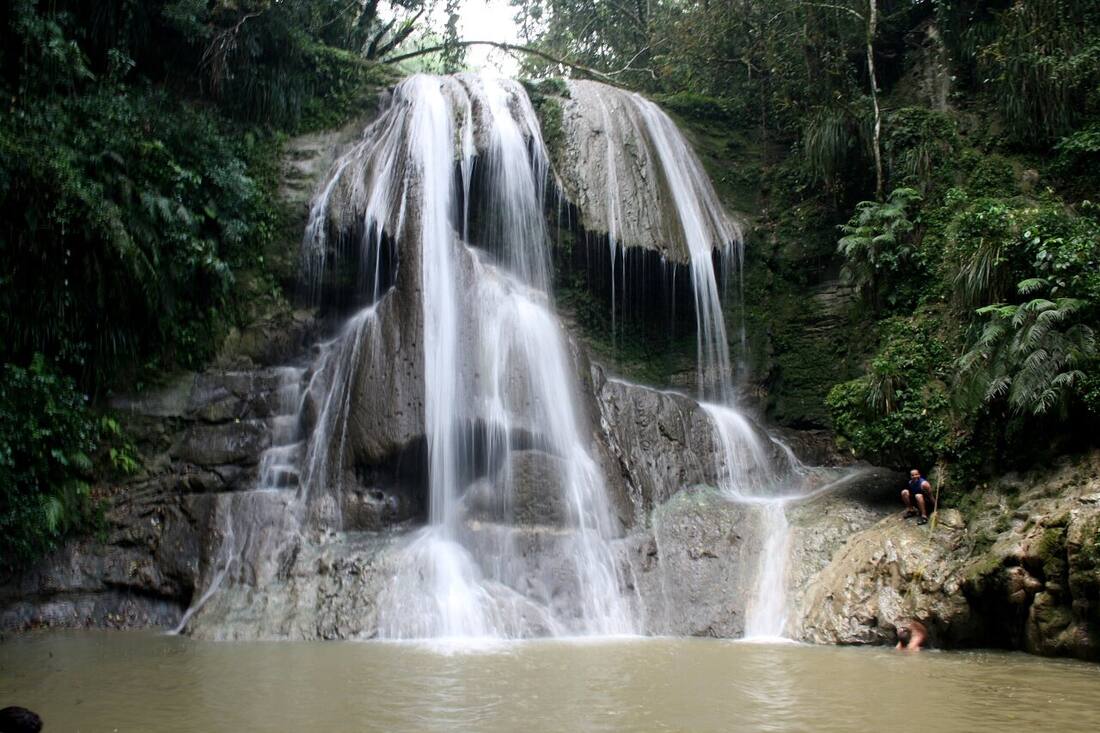
Gozalandia Falls, San Sebastián
Gozalandia Falls
Waterfalls surrounded by greenery, with trails leading to the pools.
The town where we opened the doors of Casa de Tila.
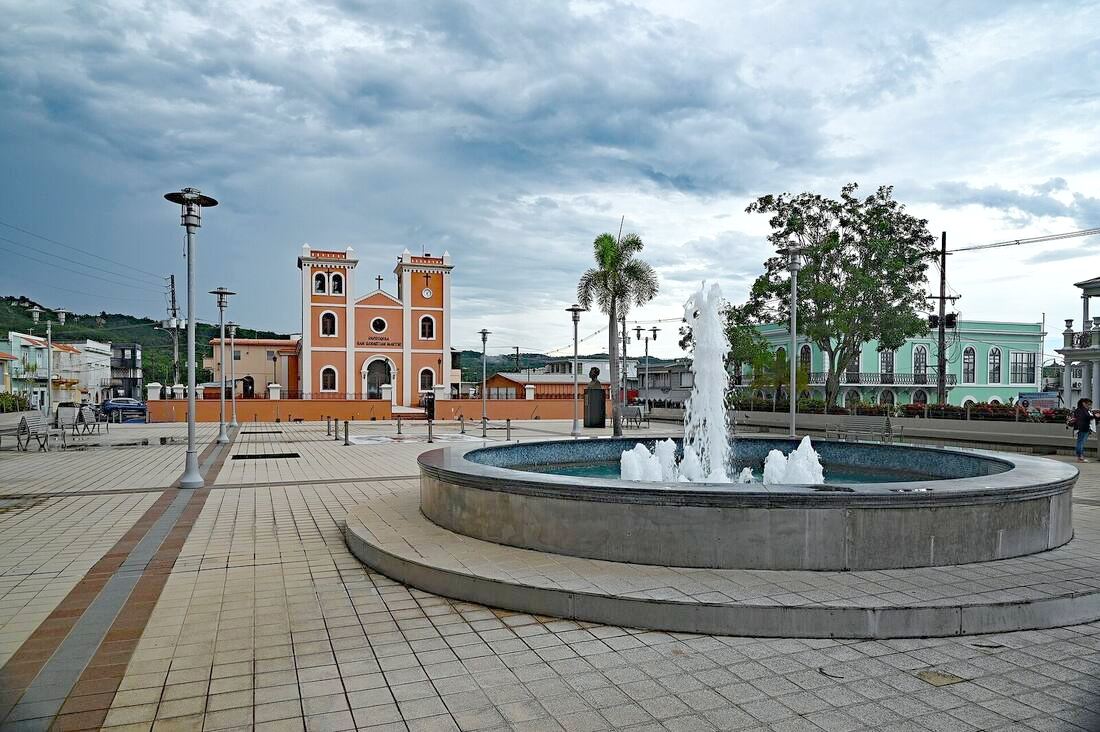
San Sebastián is in northwestern Puerto Rico, among mogotes, rivers and mountains. It used to be called San Sebastián de las Vegas del Pepino, and its people are still called pepinianos. Permission to found the town was granted in 1752, and in 1869 it took the name it has today. San Sebastián Mártir is its patron saint, and every January the patron saint festivities are held, with the Festival de la Novilla. It is also known as the Cradle of the Hammock: it has its Hammock Museum, and every July the National Hammock Festival takes place. The Culebrinas and Guajataca rivers run through its lands, and Lake Guajataca is there.
Casa de Tila is in this town.
Fourteen facts about San Sebastián.
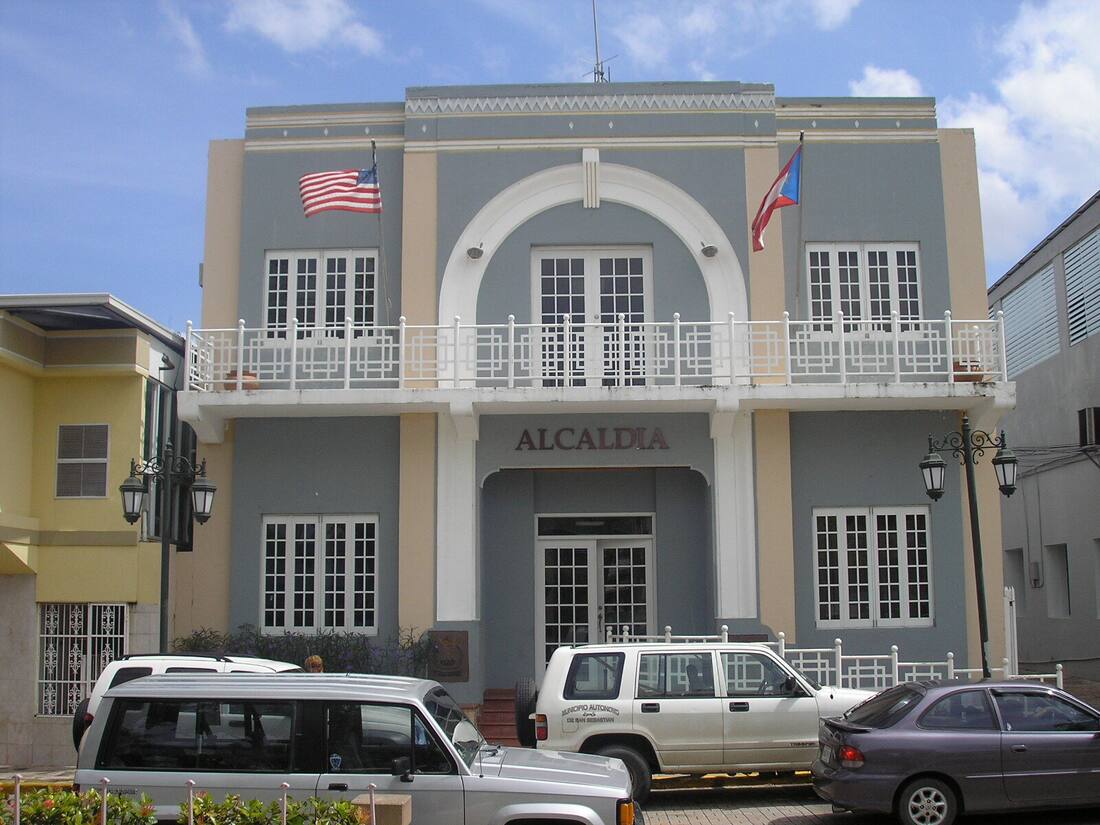
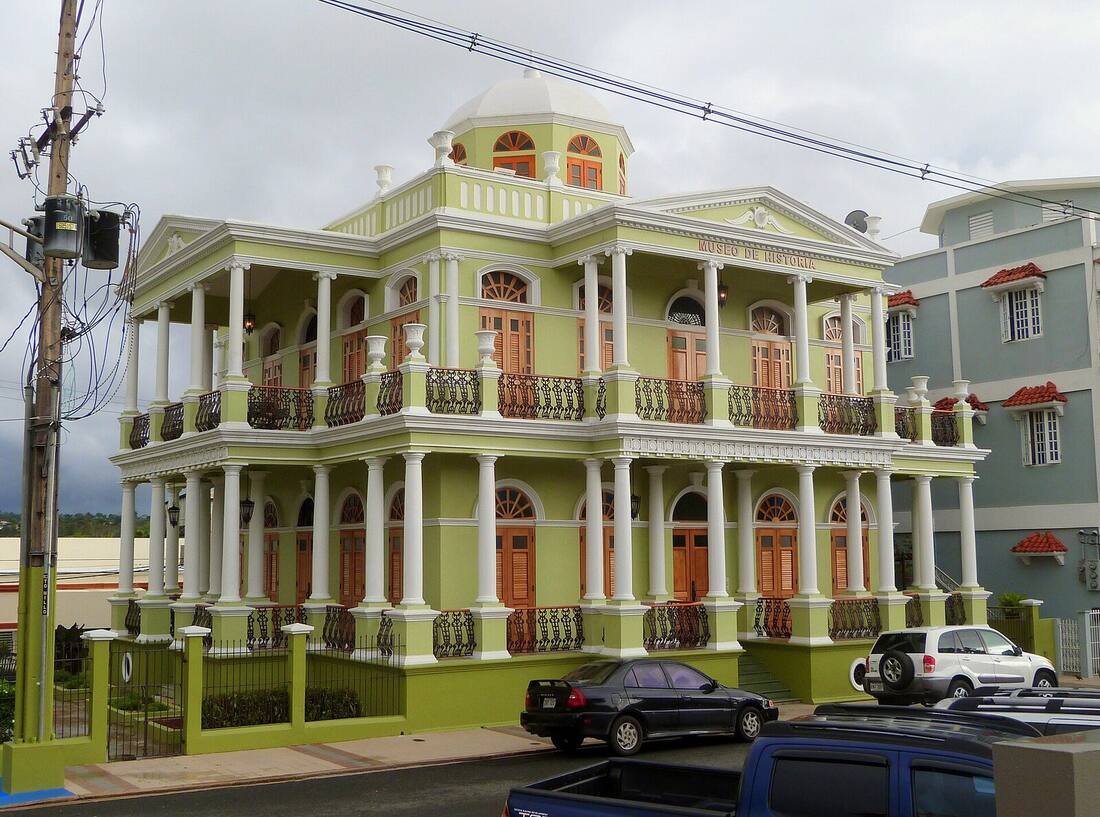
San Sebastián is in northwestern Puerto Rico. It borders Isabela and Quebradillas to the north, Las Marías to the south, Lares to the east, and Moca and Añasco to the west.
Permission to found the town was granted in 1752, under Captain Cristóbal González de la Cruz.
The religious founding was completed in December 1762, under Bishop Mariano Martín.
In 1869 the Spanish government authorized the change of name to San Sebastián.
It used to be known as San Sebastián de las Vegas del Pepino, the longest proper name of any town in Puerto Rico.
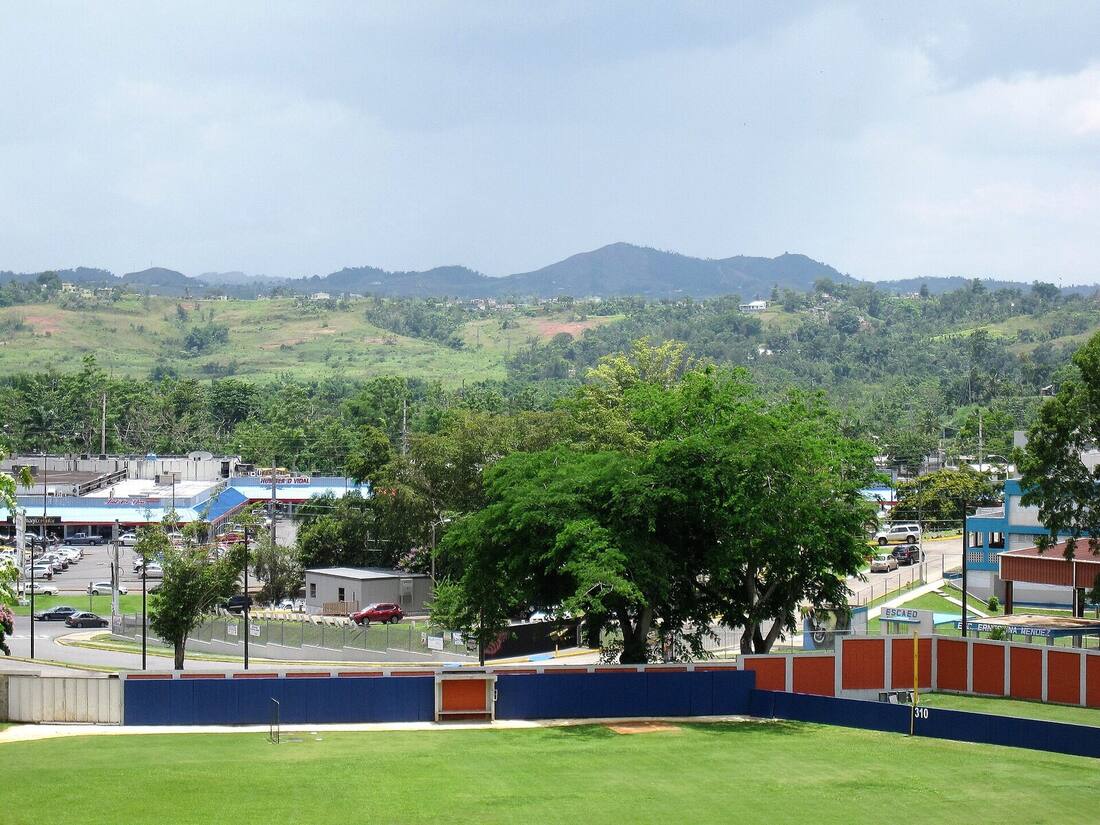
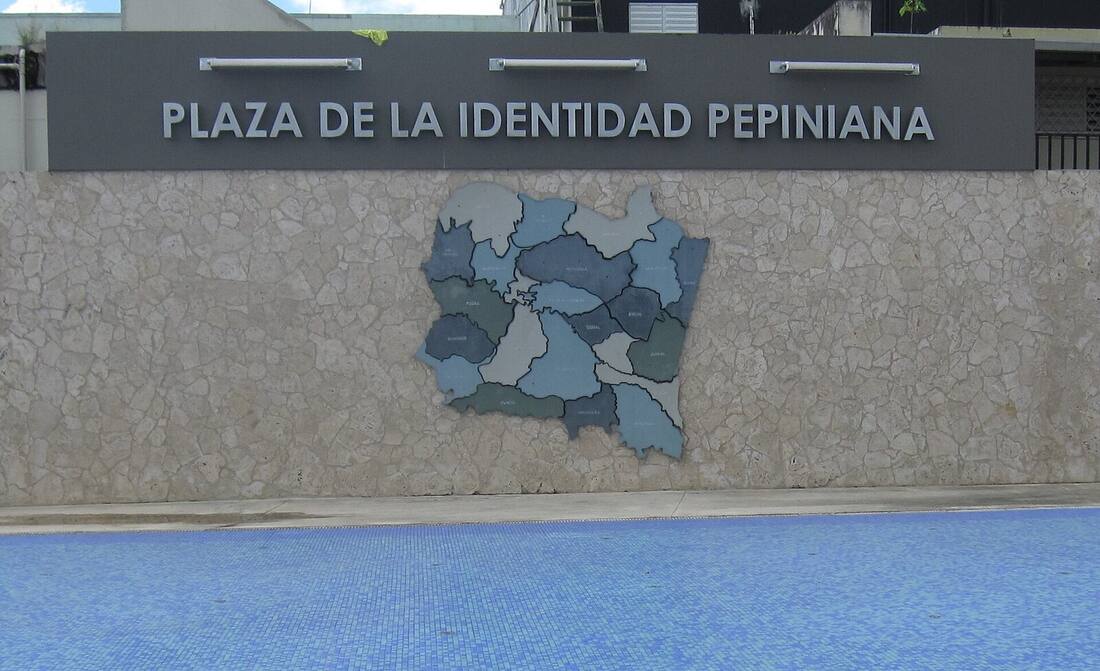
It is called “El Pepino” and “La Cuna de la Hamaca” (the Cradle of the Hammock); its people are called pepinianos and patrulleros.
It lies in a karst zone, with many mogotes that people call “pepinos,” which give rise to part of its name.
It has 24 barrios plus the town center, and 39,345 residents according to the 2020 Census.
The Culebrinas, Guajataca and Grande de Añasco rivers run through the town; the Guajataca River flows into the Guajataca reservoir, which it shares with Quebradillas.
There are about ten archaeological sites with remains of Indigenous presence in at least seven barrios.
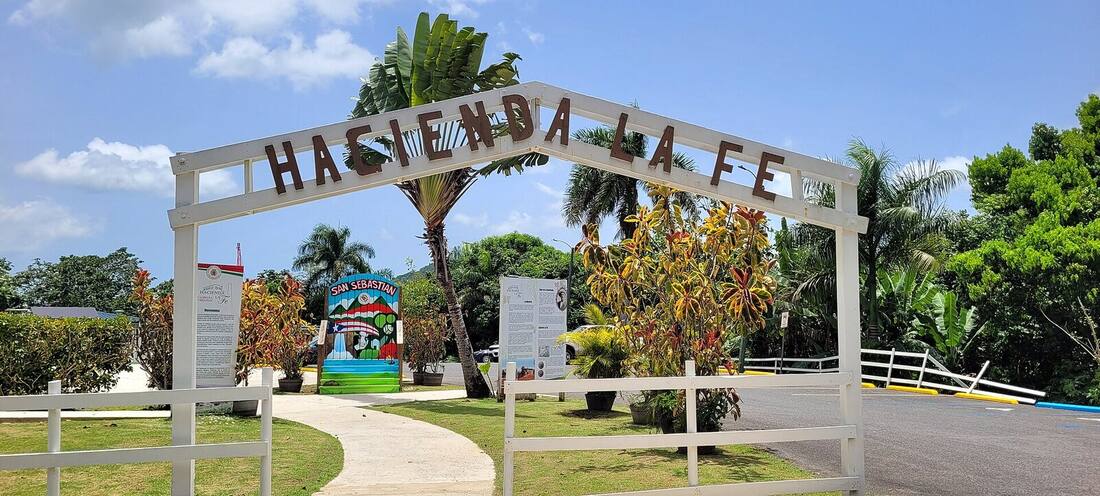
Its patron saint is San Sebastián Mártir; its patron saint festivities are in January (the 10th to the 20th).
The Festival de la Novilla is in January, as part of the patron saint festivities; it is organized by the Club Altrusa de San Sebastián and was revived in 1977.
The National Hammock Festival is in July; it was started by the Casa Pepiniana de la Cultura in the early 1980s.
The town has a Hammock Museum, dedicated to the history and craft of the hammock.
Four places in San Sebastián, before or after your appointment.
Gozalandia Falls, San Sebastián
Waterfalls surrounded by greenery, with trails leading to the pools.
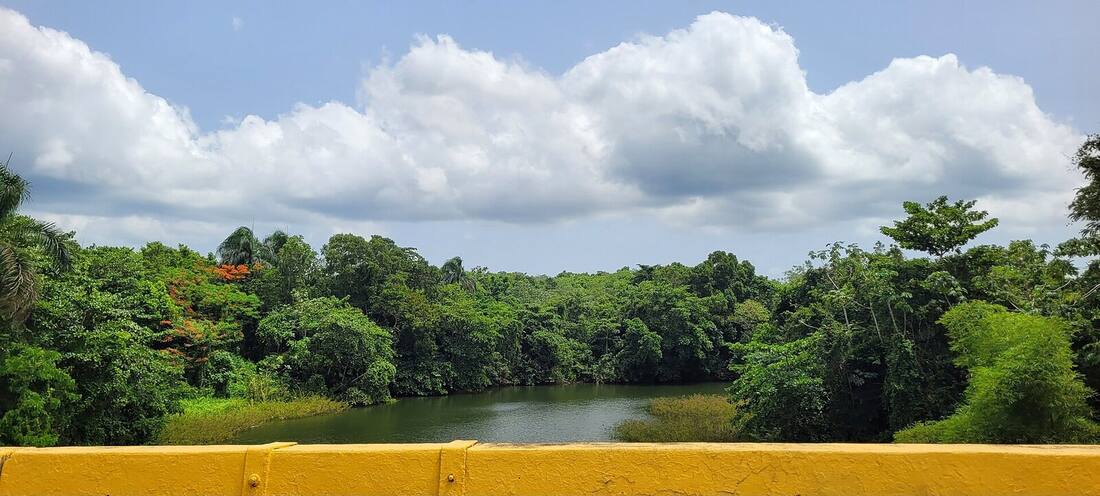
Lake Guajataca
A reservoir surrounded by wooded hills.
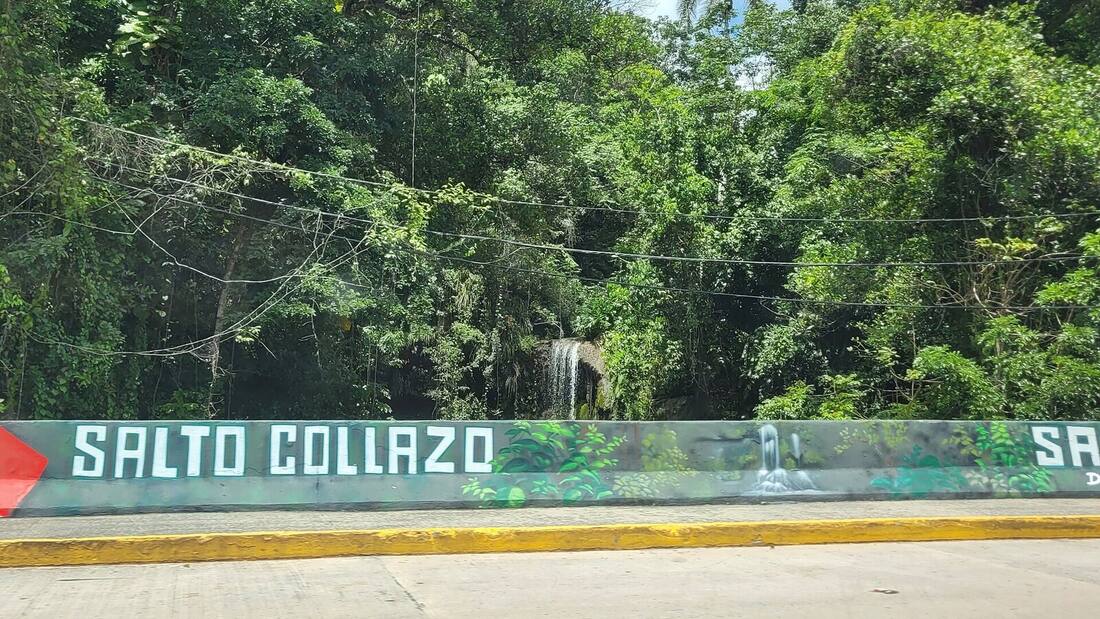
Salto Collazo, San Sebastián
A waterfall in San Sebastián.
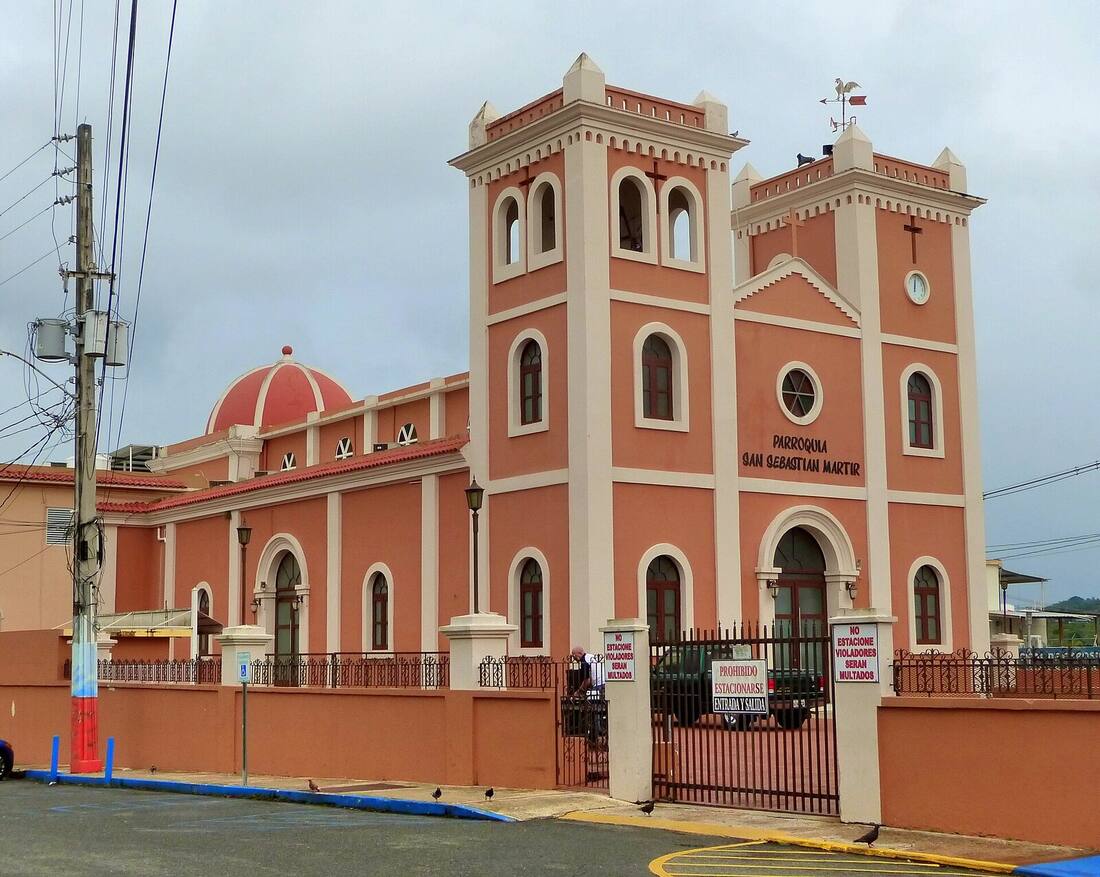
San Sebastián Mártir church, on the town plaza
The parish church in the center of town, facing the plaza.
We look forward to seeing you. Come to San Sebastián and take a moment of calm.
Directions